Three streets to notice in Copenhagen
Old houses, local shops and everyday life in three places that are easy to overlook
Some of the city's best places are not always the ones you plan around. They might be the ones you pass through.
Borgergade, Magstræde and Saxogade are not hidden, but they are easy to overlook. One has everyday busy life and historical buildings. One has colour, cobblestones and some of the old centre’s most photographed houses. One has local shops with a social purpose on Vesterbro.
Use them as small stops, short detours or just a reason to look around next time you are nearby.
Borgergade
This street is not one of Copenhagen’s quiet postcard streets. It is busy, practical and very much in use, with cars, bikes, pedestrians and people moving between the city centre, Kongens Have, Marmorkirken and Nyboder.
That is also why it works in this guide. Borgergade feels like a real city street: places to eat, people passing through, parking, traffic and small pockets of everyday life. Popular places like Gasoline Grill and Pluto both sit here, while Mojoe Kitchen and Bar on the corner is a good place to stop if you want to sit with a coffee and watch the street do its thing.
There is also more architecture here than you might notice at first. At Borgergade 111 is the former Søetatens Pigeskole, designed by the architect Bernhard Seidelin in 1858 as a school for daughters of men employed by the navy. The building is now owned by Realdania and has been restored as part of Copenhagen’s built heritage.
Go here for: everyday city life, coffee, traffic, architecture and a less polished side of central Copenhagen.
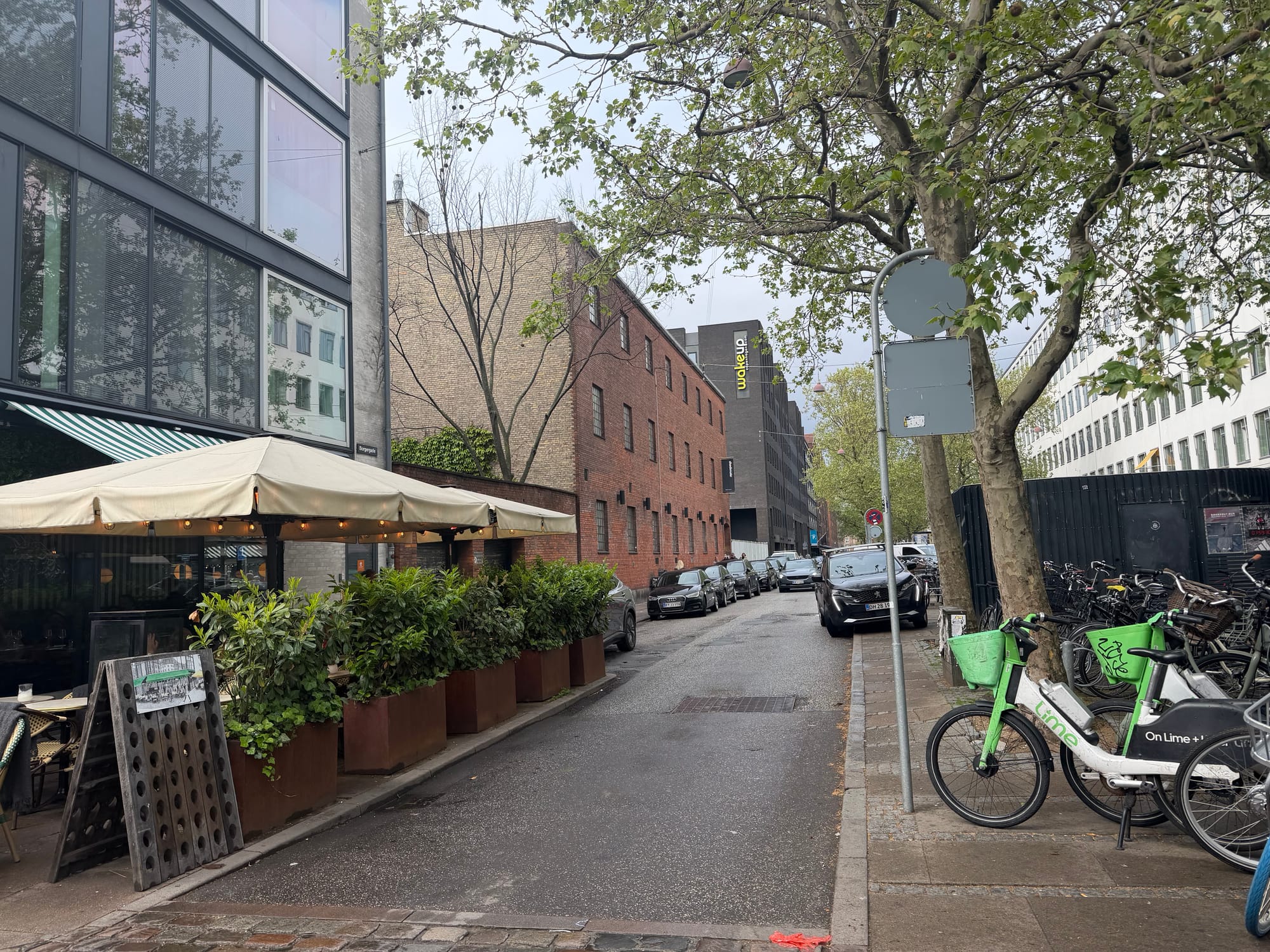
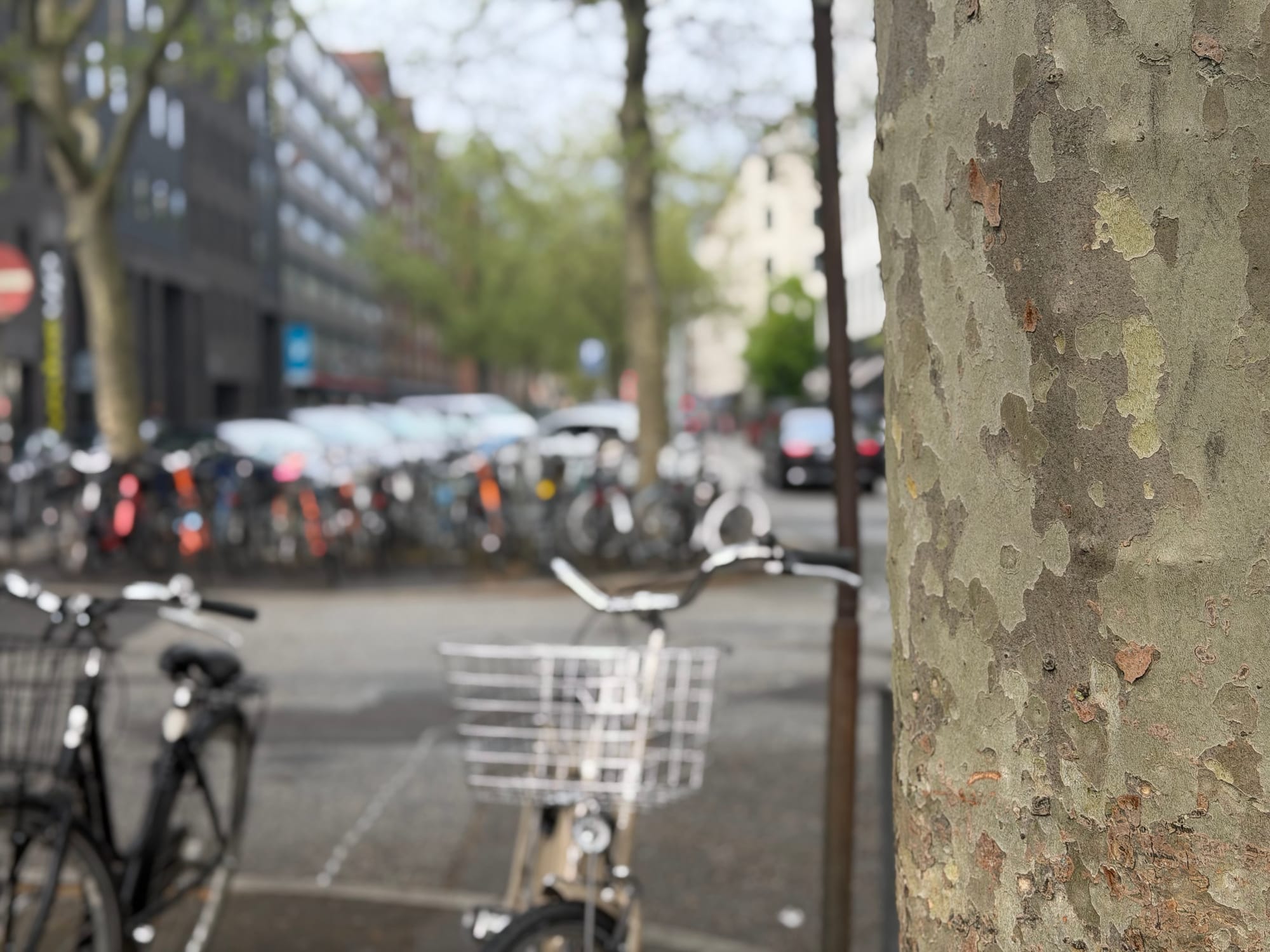
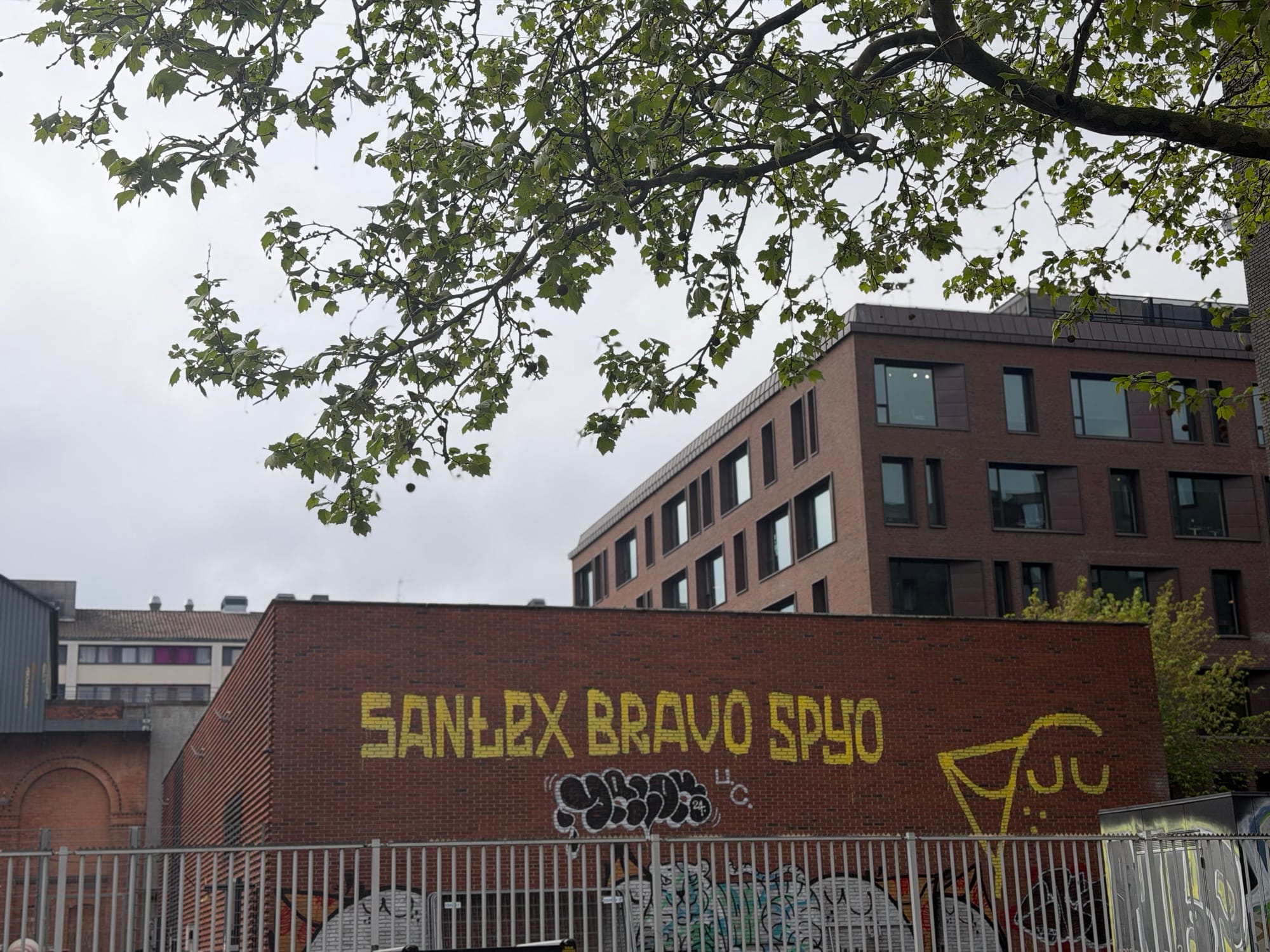
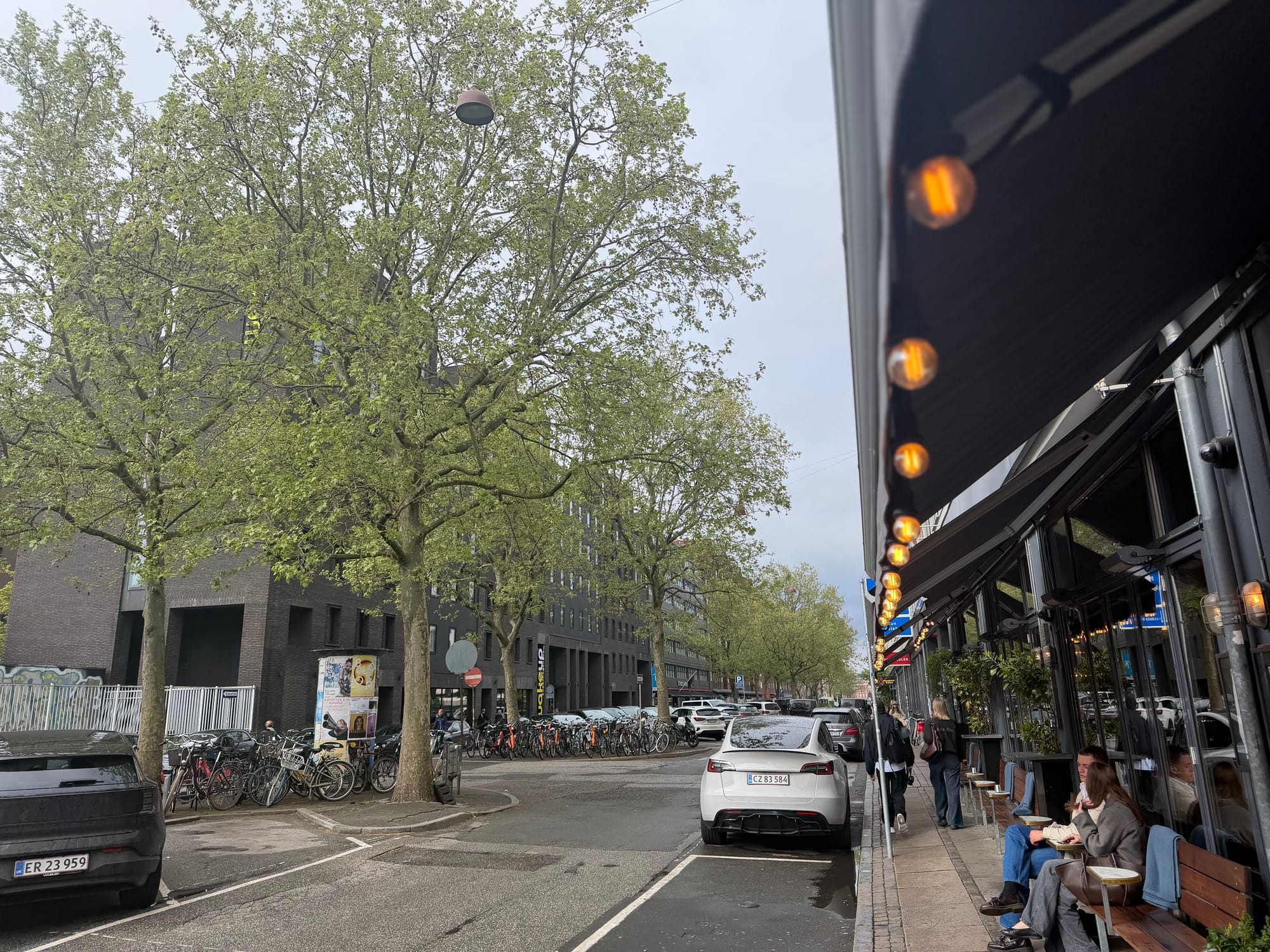
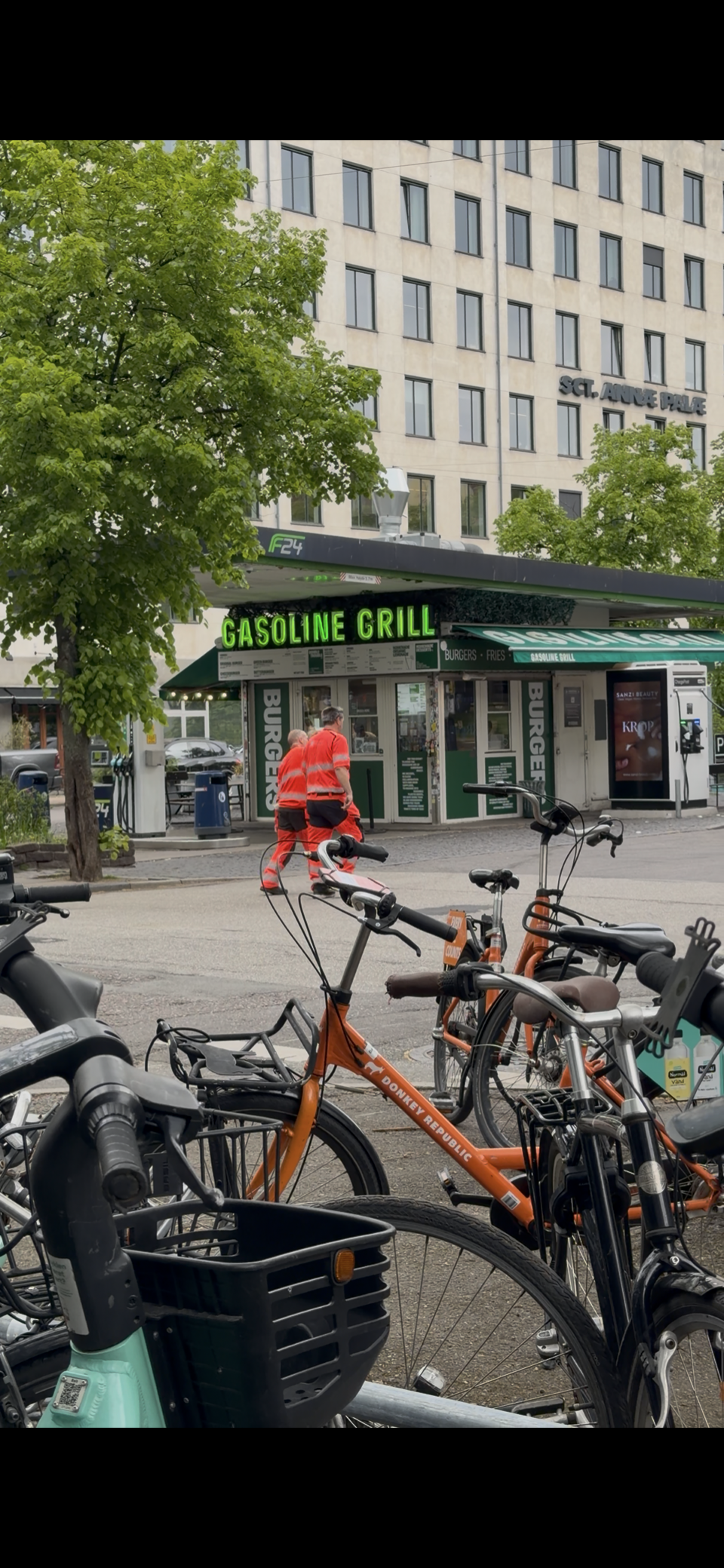
Cars, bikes and convenient lunch spots in Borgergade. Photo: Pauline Vink.
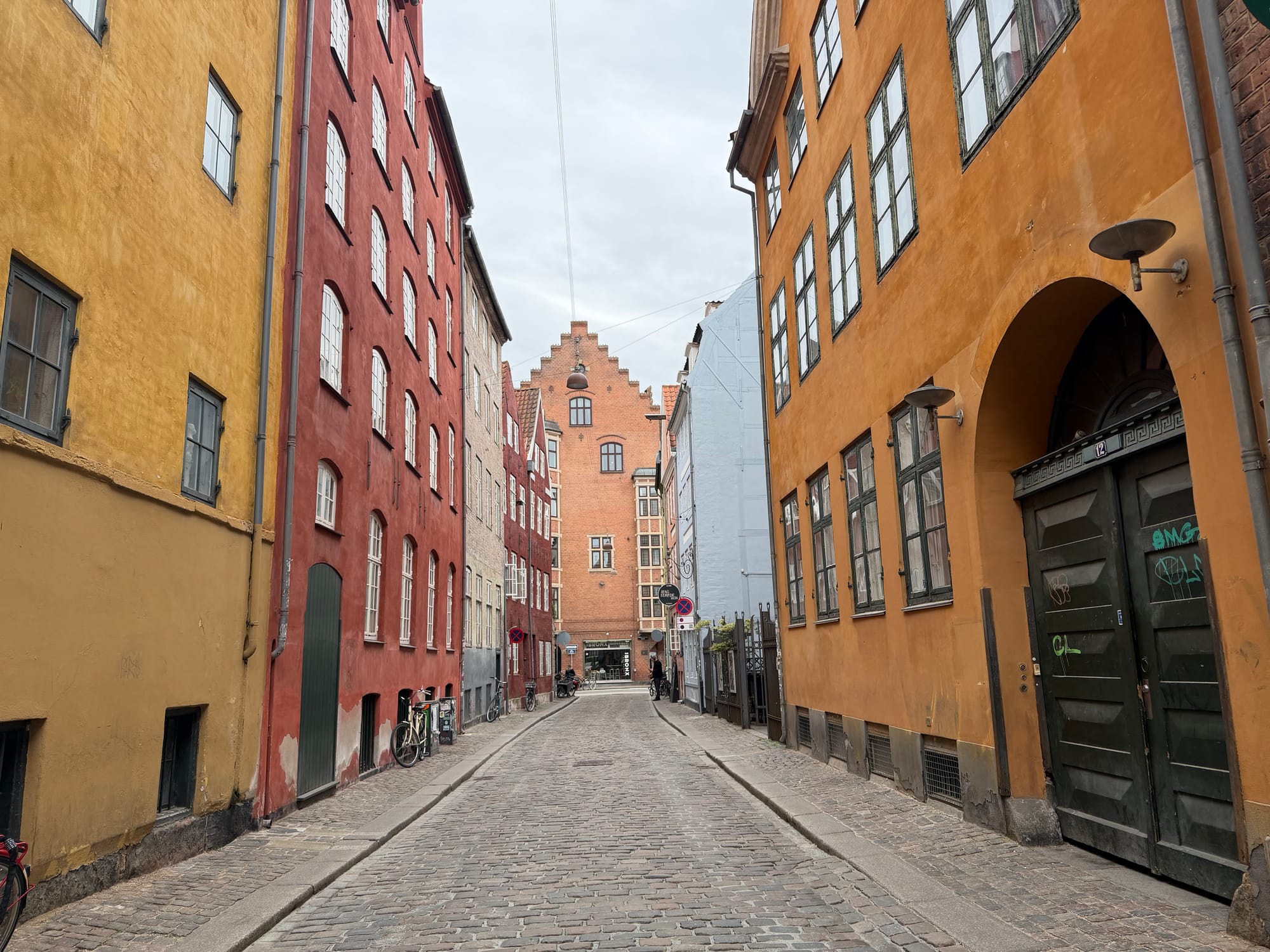
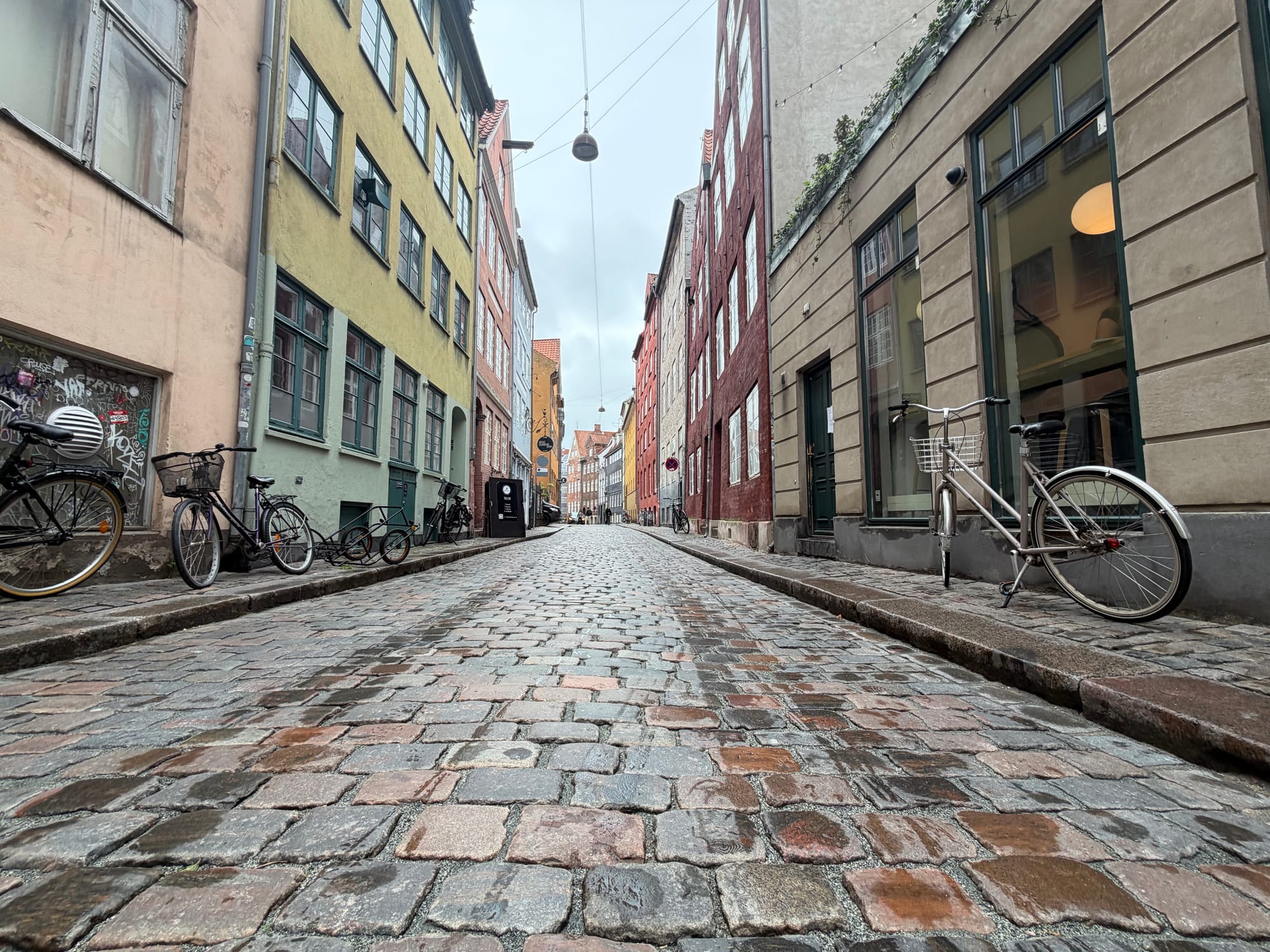
Magstræde
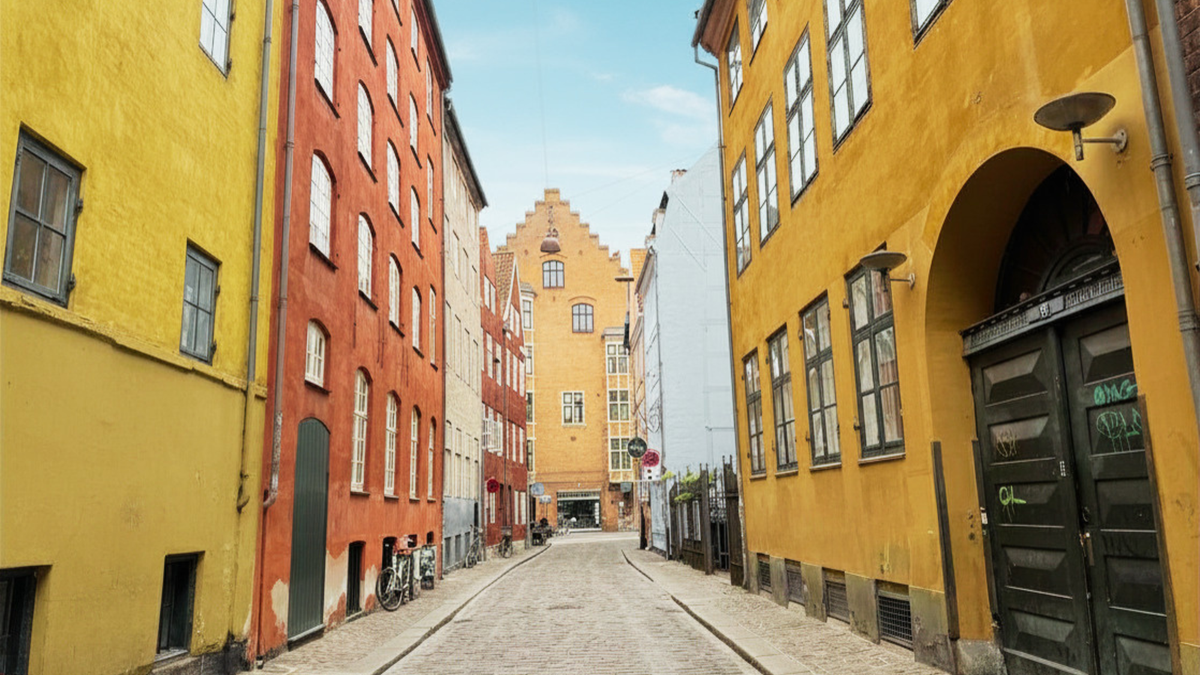
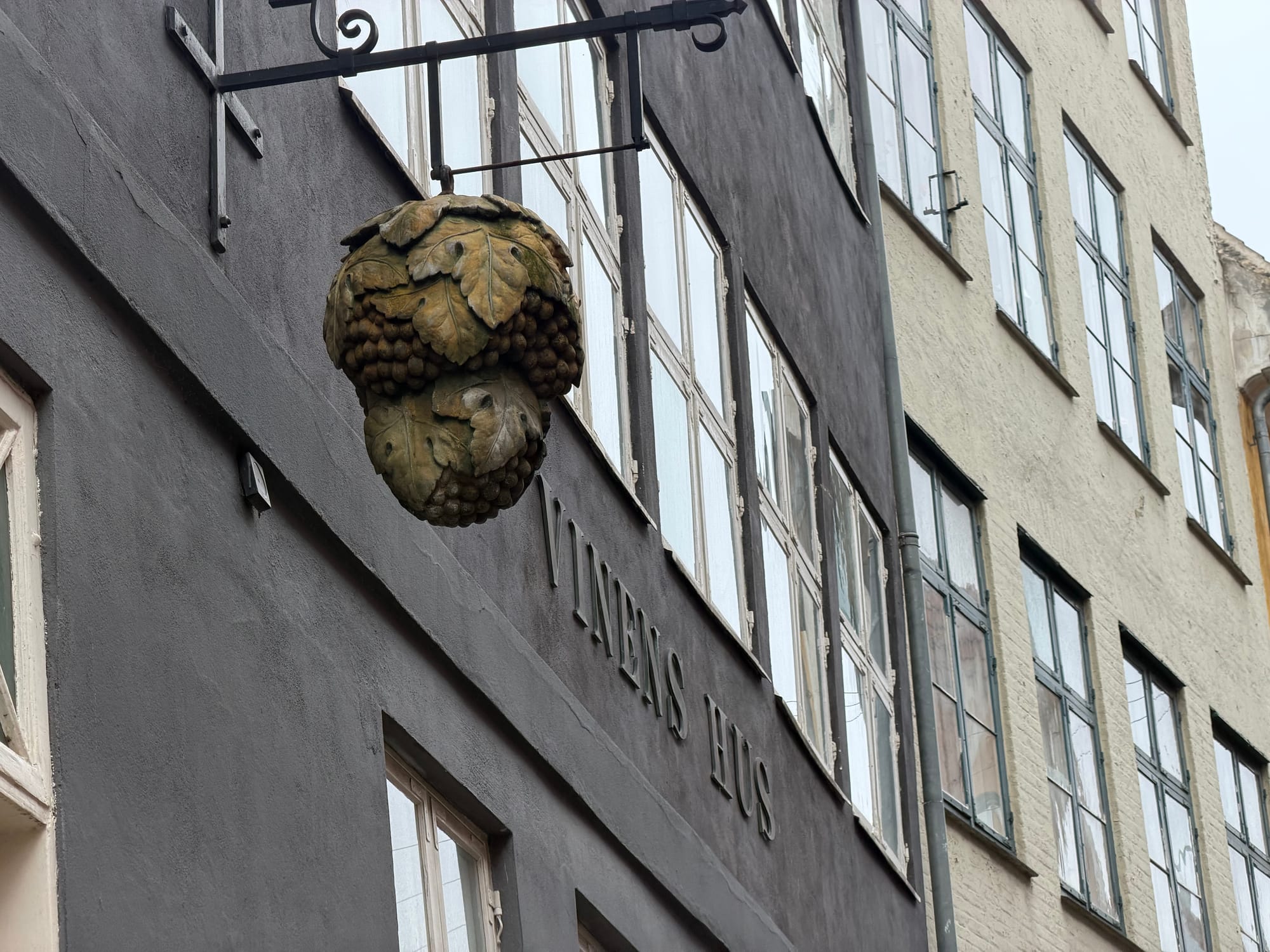
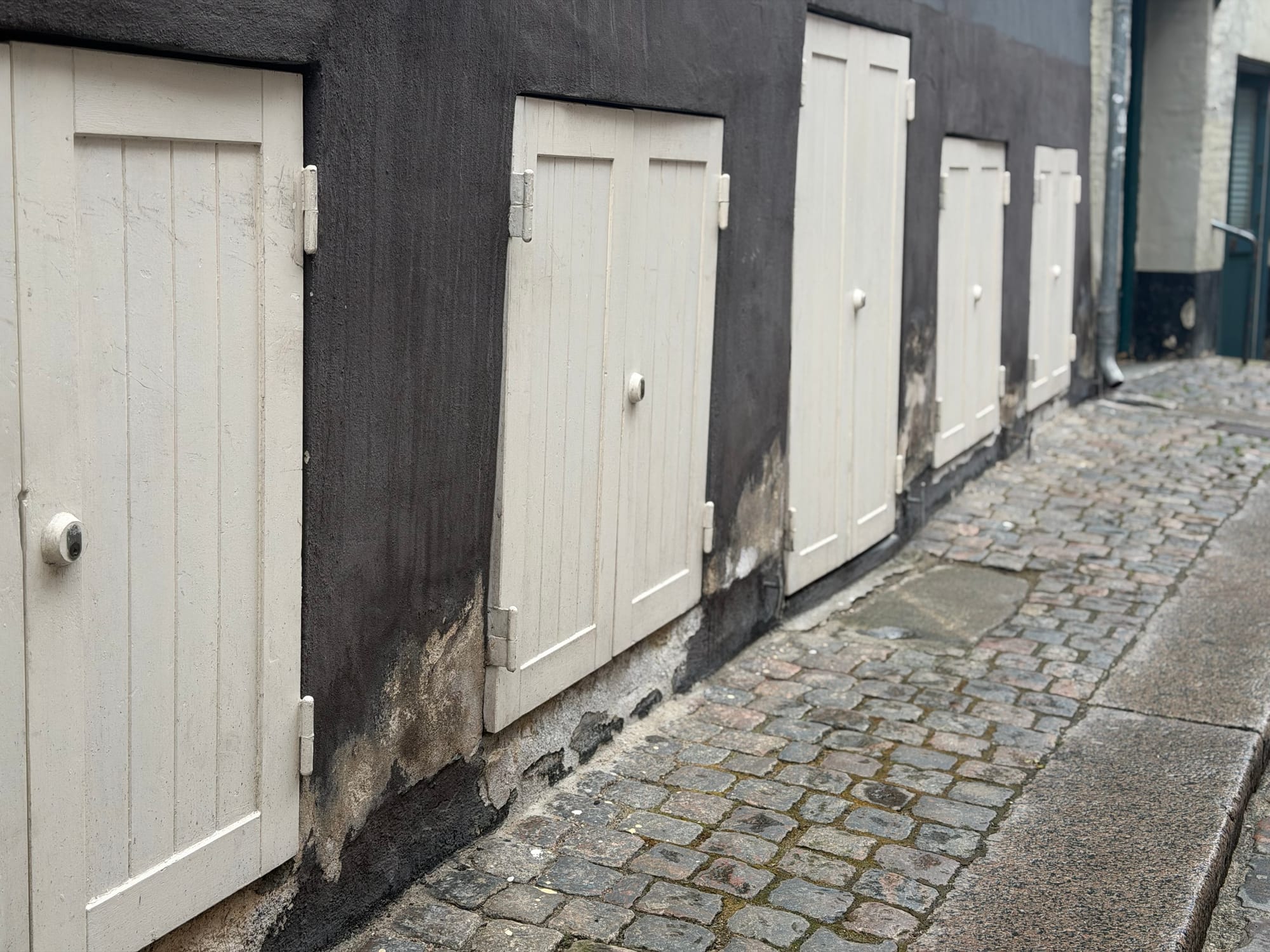
Magstræde is short, central and easy to walk through too fast. The old city is still very visible here. Narrow, cobbled and lined with colourful houses, it sits close to Gammel Strand, Rådhuspladsen and some of the busier shopping streets. You do not need long here, but it gives you a different version of the centre than the main routes around it. Walk through it slowly, look up, and continue towards Snaregade or Nybrogade.
Go here for: colour, cobblestones and old Copenhagen.
Saxogade
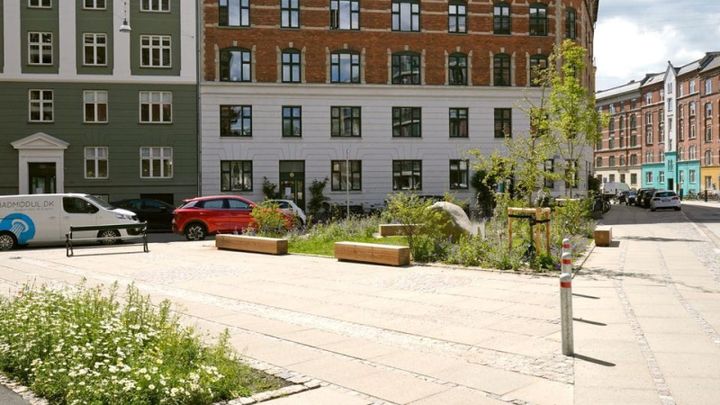
Saxogade is different from the first two streets. It is part of everyday Vesterbro, with shops, cafés and people passing through, but it also has a more social side.
Since the 1980s, Settlementet has worked with Saxogade as a social-economic street, where shops, work communities and local life are connected. That means that when you buy something, stop for coffee or take part in an event here, you also support work with people in vulnerable situations.
There is also a small park in the middle of the street, which gives Saxogade a more local feel. It is a place where you can sit down, meet, or stay for a while instead of just passing through. Throughout the year, there are different activities and events in and around the street, so you might catch a bit of local Vesterbro life when you visit.
Go here for: local Vesterbro, the small park, socioeconomic shops and a street with a social purpose.
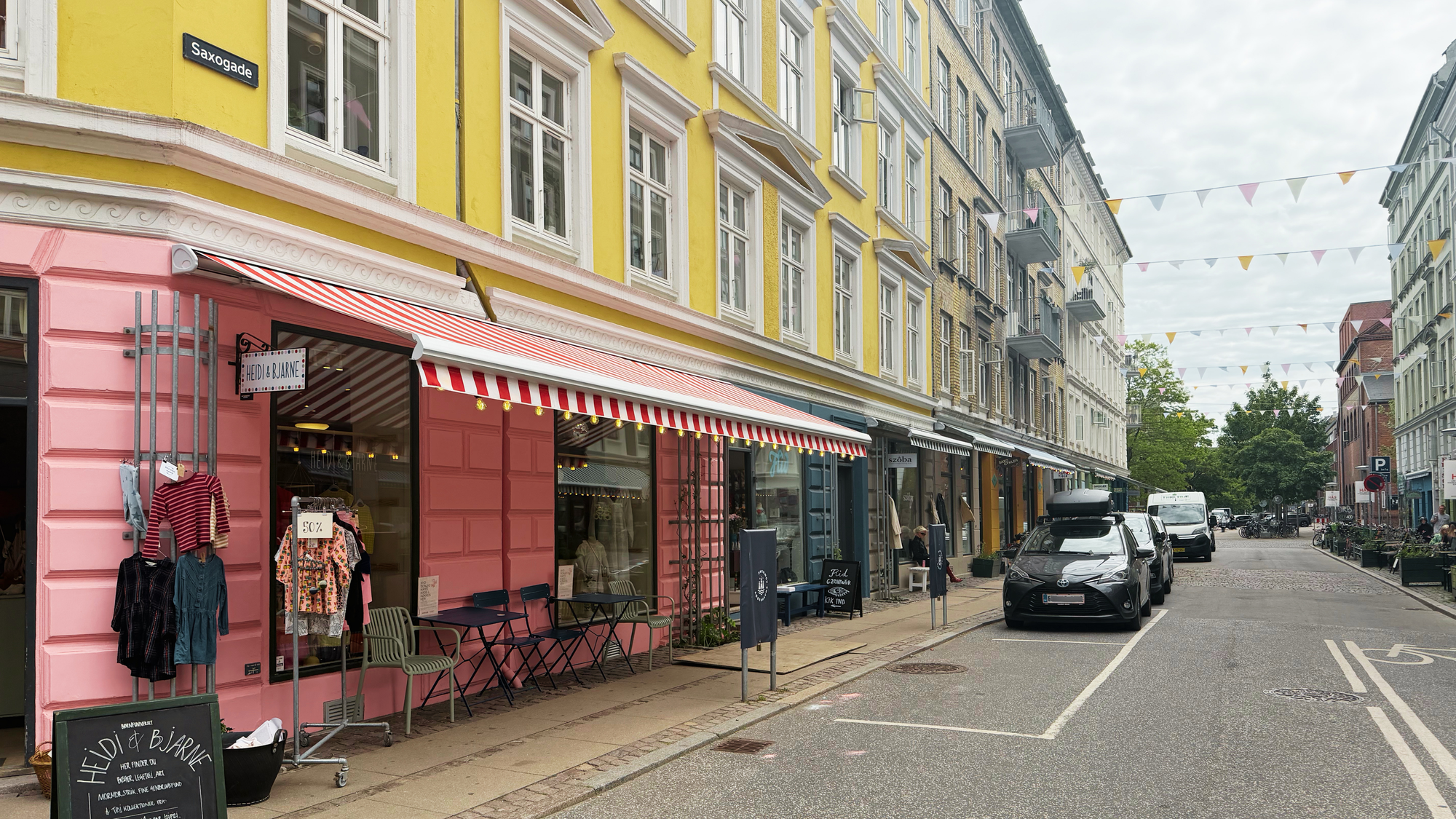
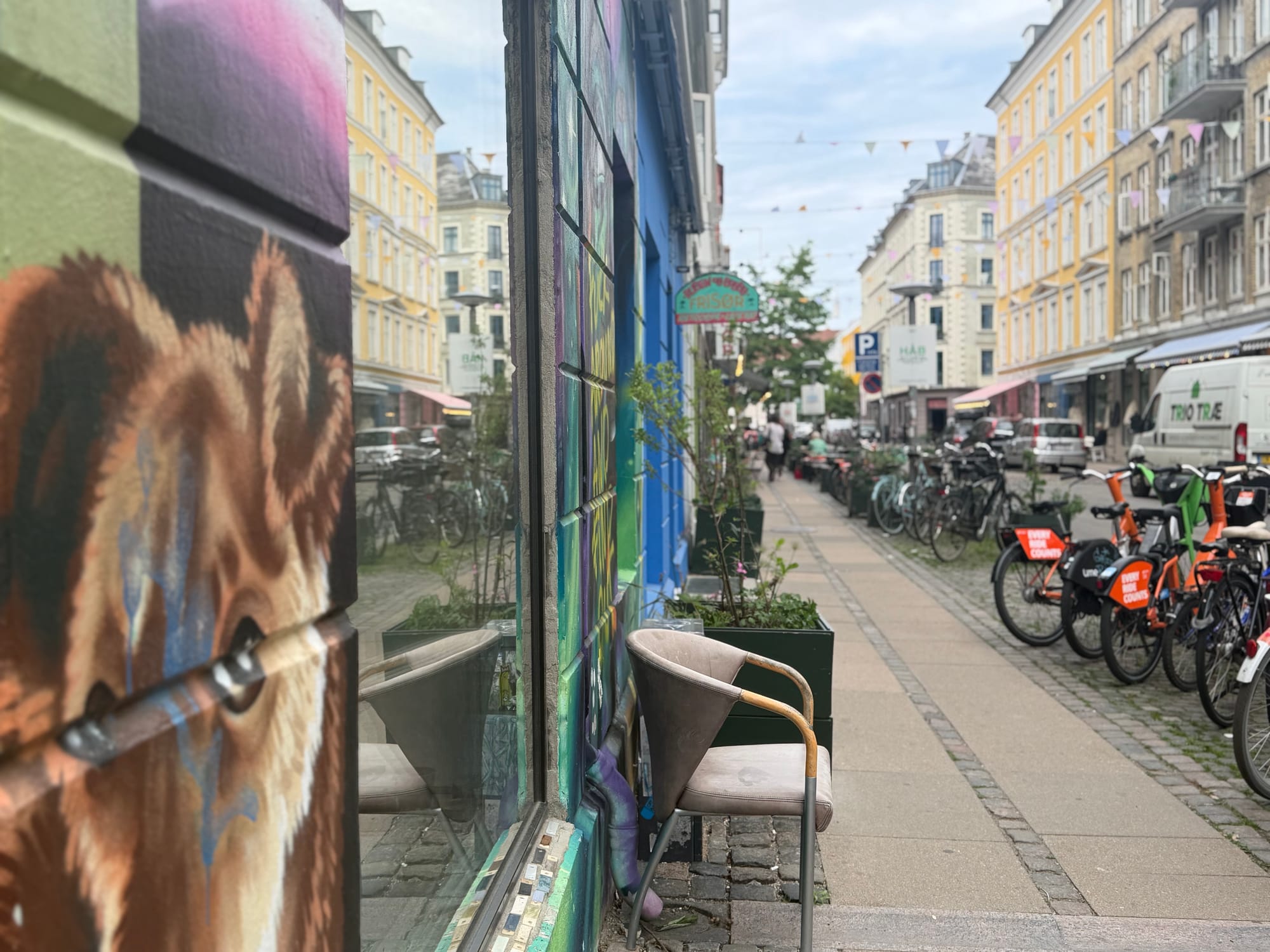
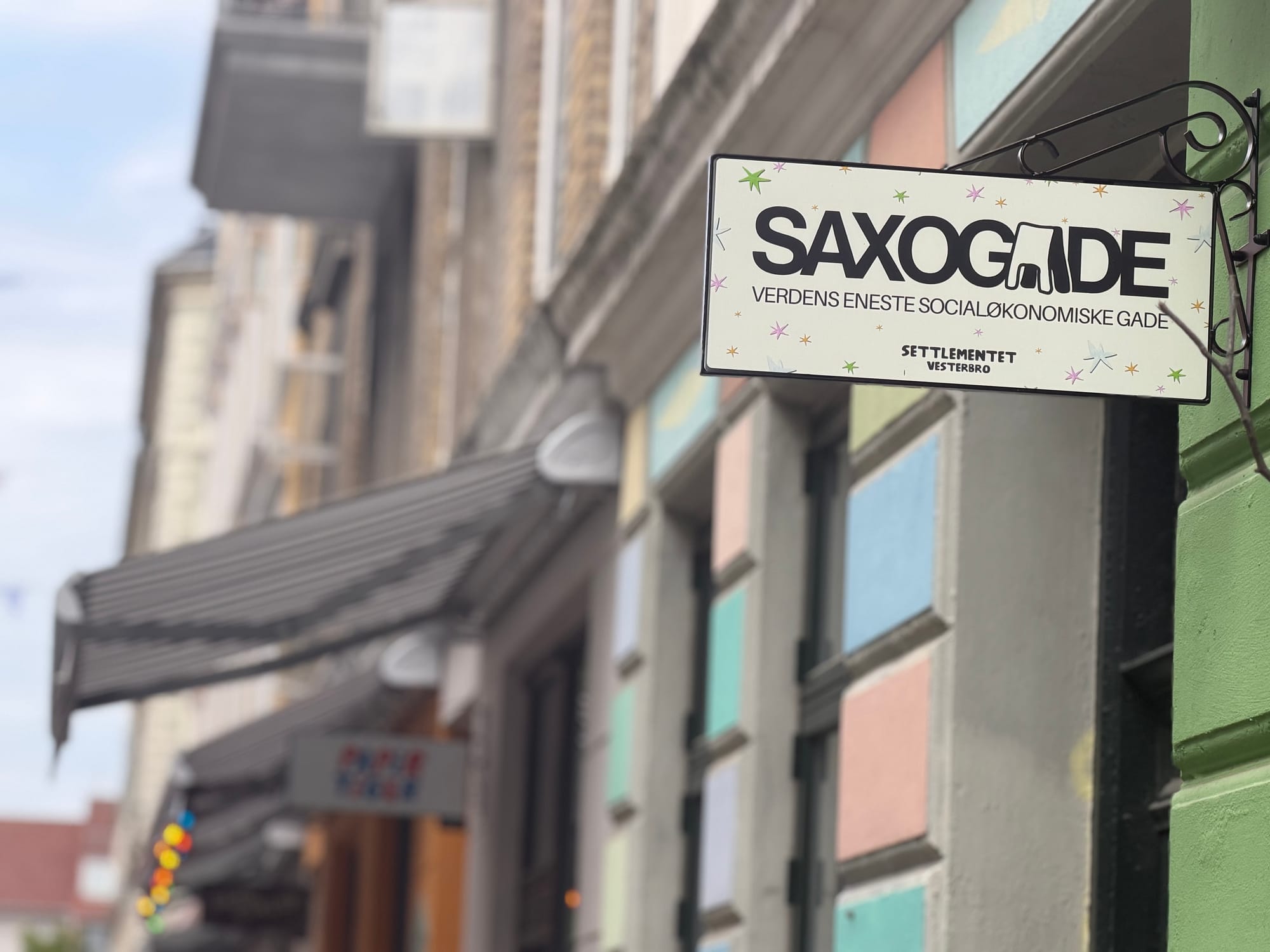
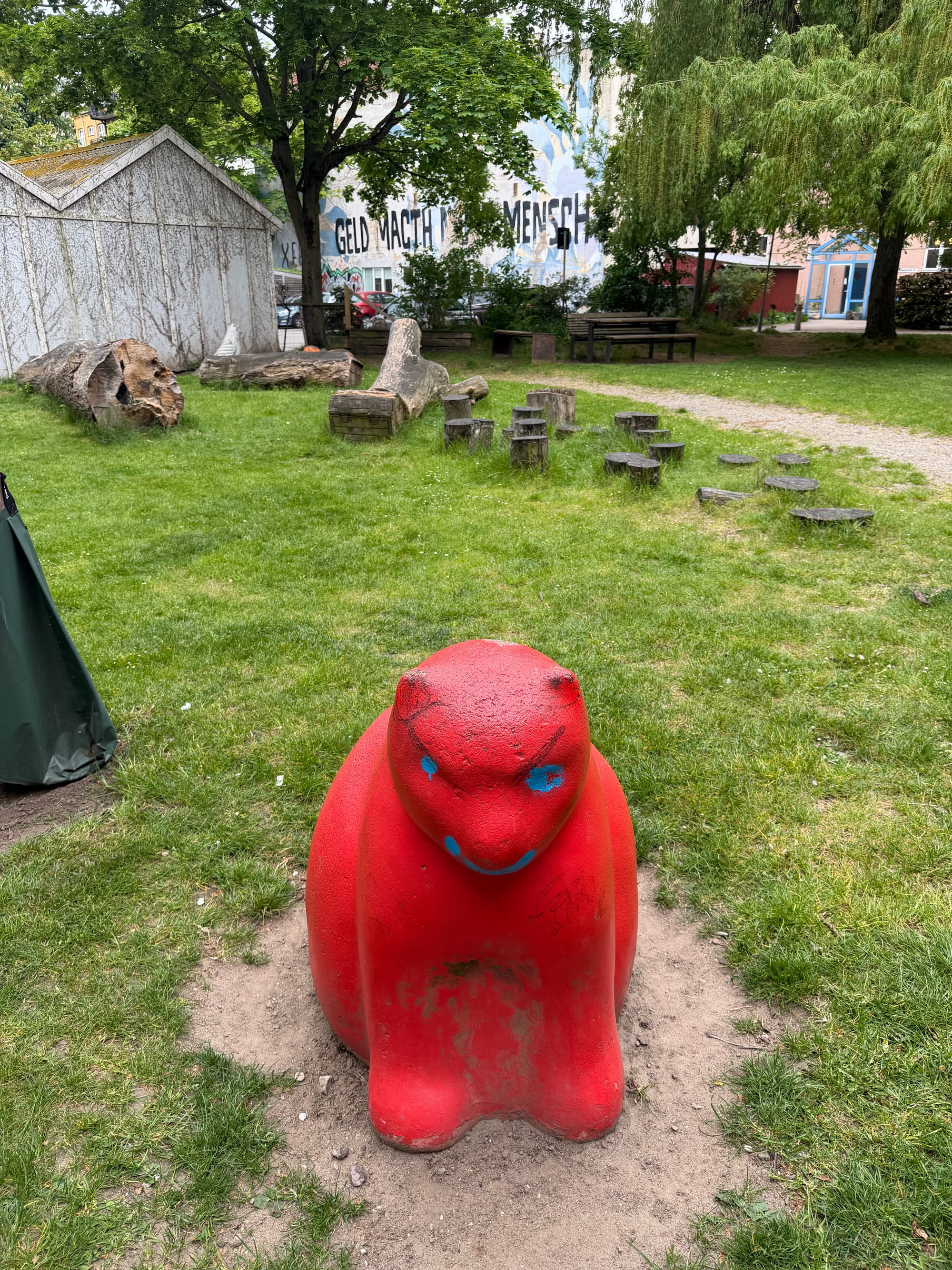
Saxogade on Vesterbro. Photo: Pauline Vink.